

IVF at a glance
IVF, or in vitro fertilization, is one of the most effective fertility treatments used worldwide. At our clinic in Kharadi, Pune, couples who have been struggling with infertility find IVF a reliable option when other methods have not worked. The treatment involves stimulating the ovaries to produce multiple eggs, retrieving them through a safe procedure, fertilizing them with sperm in a laboratory, and then placing a healthy embryo back into the uterus. This entire process is carefully monitored to improve the chances of pregnancy while keeping the patient’s comfort in mind.
Who can benefit from IVF treatment in Kharadi, Pune
IVF is often recommended for couples who have already tried simpler methods such as ovulation induction or IUI without success. It is also considered the right choice in cases such as:
- Women with blocked or severely damaged fallopian tubes
- Couples who have been diagnosed with unexplained infertility
- Women with a low ovarian reserve or declining egg quality
- Situations where previous fertility treatments have not given results
- Cases of advanced maternal age where egg health is affected
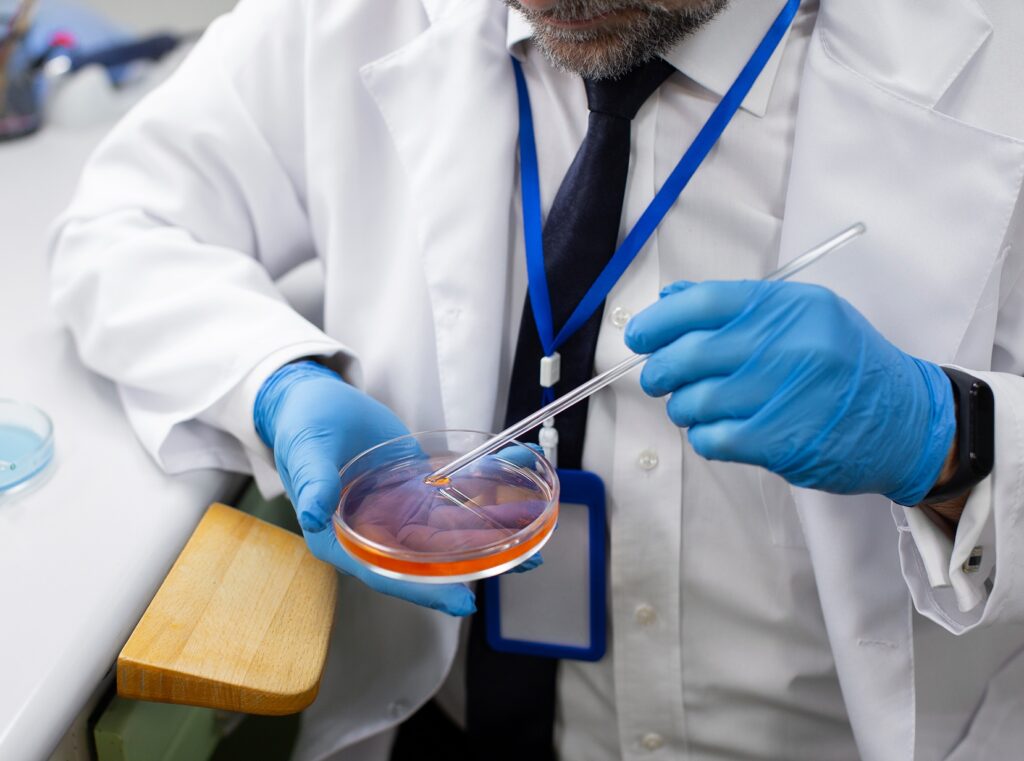

Why choose Dr. Nisha for IVF in Pune
Dr. Nisha Pansare has worked extensively in reproductive medicine and has supported many couples through their fertility journey. At her clinic in Kharadi, Pune, IVF is carried out with modern protocols and an individualized approach. Every woman responds differently to ovarian stimulation, so treatment plans are tailored carefully. Embryo selection is handled with precision, and patients are kept involved throughout the process. The focus is not only on success rates but also on reducing unnecessary stress during treatment.
Frequently asked questions about IVF treatment
How many IVF cycles are usually required?
It depends on each couple’s medical background and age. Some patients conceive in the first cycle itself, while others may require two or three attempts.
Is IVF safe?
IVF is a safe and widely practiced procedure across the world. Medications may cause minor side effects like bloating or mood changes, but serious complications are rare when treatment is monitored by an experienced fertility specialist.
What are the success rates of IVF in Pune?
Success is influenced by several factors such as the woman’s age, egg and sperm quality, and any underlying health concerns. Dr. Nisha provides a clear assessment of chances after reviewing test results, so couples know what to expect realistically.